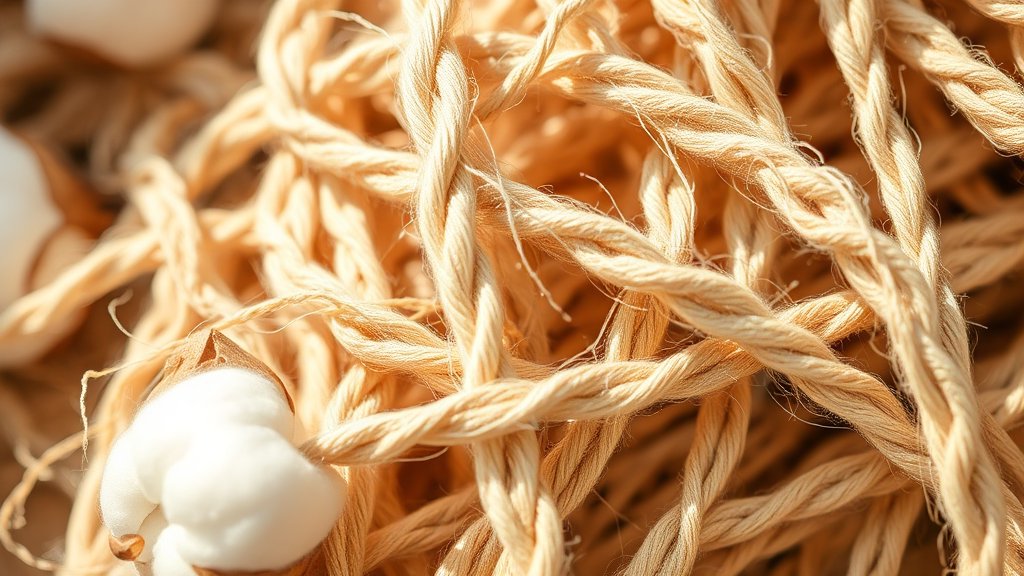
When it comes to fabrics, cotton and linen are like the timeless classics of the textile world. Both have been around for centuries, gracing everything from ancient attire to modern-day fashion runways. They’re natural, breathable, and versatile, making them go-to choices for many. But what really sets these fabrics apart? How do they make their journey from raw material to the clothes we wear every day? Let’s unravel the stories behind these beloved textiles.
From field to fabric: how cotton is made
Ever wondered how that cozy cotton T-shirt on your back came to be? It all starts with a little seed. Cotton seeds are planted in fields, often in warm climates where they thrive best. As the plants grow, they produce fluffy bolls that look a bit like tiny clouds. These bolls are harvested and then ginned to separate the seeds from the fibers. The fibers are then spun into yarn, which can be woven or knitted into fabric.
But that’s not all. The journey from seed to fabric involves a lot of care and attention. Farmers need to ensure the plants get enough water and are protected from pests. Once harvested, the cotton undergoes several processes to clean and refine it before it’s spun into yarn. It’s a meticulous process that highlights the importance of sustainable farming practices. After all, good quality fabric starts with good quality raw materials.
Linen’s luxurious legacy in fashion
If cotton is the cozy staple, linen is its sophisticated cousin. Linen has been prized for its durability and luxurious feel since ancient times. Made from the fibers of the flax plant, linen requires a bit more effort to produce than cotton. Flax plants are harvested, and the fibers are extracted through a process called retting, which involves soaking the stems until they start to decompose slightly, making it easier to separate the fibers.
Once the fibers are extracted, they’re spun into yarn and woven into fabric. Linen’s long fibers give it incredible strength and a unique texture that softens over time without losing its shape. It’s no wonder that linen has been a favorite for everything from ancient Egyptian tunics to today’s high-end summer suits. Its ability to keep you cool in hot weather while maintaining a crisp appearance makes it an enduring choice in fashion.
Comparing cotton and linen: comfort and care
So, what’s the real difference between cotton and linen when it comes to wearing them? Cotton is often praised for its softness and versatility. It’s hypoallergenic, making it gentle on sensitive skin, and it’s breathable, which means it keeps you cool in summer but can also be layered for warmth in winter. However, it can be prone to shrinking if not cared for properly and might wear out faster than linen.
Linen, on the other hand, is incredibly durable and gets better with age. It’s highly absorbent and dries quickly, making it perfect for hot climates. However, linen can be a bit stiff at first and tends to wrinkle easily—a small price to pay for its other benefits. Both fabrics require some care: cotton should be washed in cool water to prevent shrinkage, while linen benefits from gentle washing and air drying to maintain its texture.
Choosing your next fabric: a practical guide
Deciding whether to go for cotton fabric or linen depends on what you need from your fabric. If comfort and versatility are top priorities, cotton might be your best bet. It’s perfect for everyday wear and easy to care for. Think T-shirts, casual dresses, and comfy bed linens.
If you’re looking for something that exudes elegance and stands up to wear and tear, linen is worth considering. Ideal for summer outfits, formal wear, or home textiles like tablecloths and curtains, linen offers a touch of luxury with practical benefits like durability and quick-drying properties.
Ultimately, both cotton and linen have their places in our wardrobes and lives. By understanding their unique qualities and care requirements, you can make informed choices that suit your lifestyle and needs. Whether you prefer the softness of cotton or the timeless appeal of linen, you’re sure to enjoy the natural beauty these fabrics bring.